Water damage is the most common claim homeowners file — and also the most frequently misunderstood. Whether your policy covers a particular loss depends almost entirely on how and where the water entered your home. Getting this wrong can mean a denied claim and out-of-pocket costs that could have been avoided.
The key distinction: sudden vs. gradual
Most standard homeowners policies cover sudden and accidental water damage — a pipe bursts, an appliance hose fails, an ice dam causes a roof leak. They typically do not cover damage that results from gradual deterioration, long-term leaks, or lack of maintenance. If an inspector determines that a slow leak behind a wall caused the damage over months or years, the claim is likely to be denied.
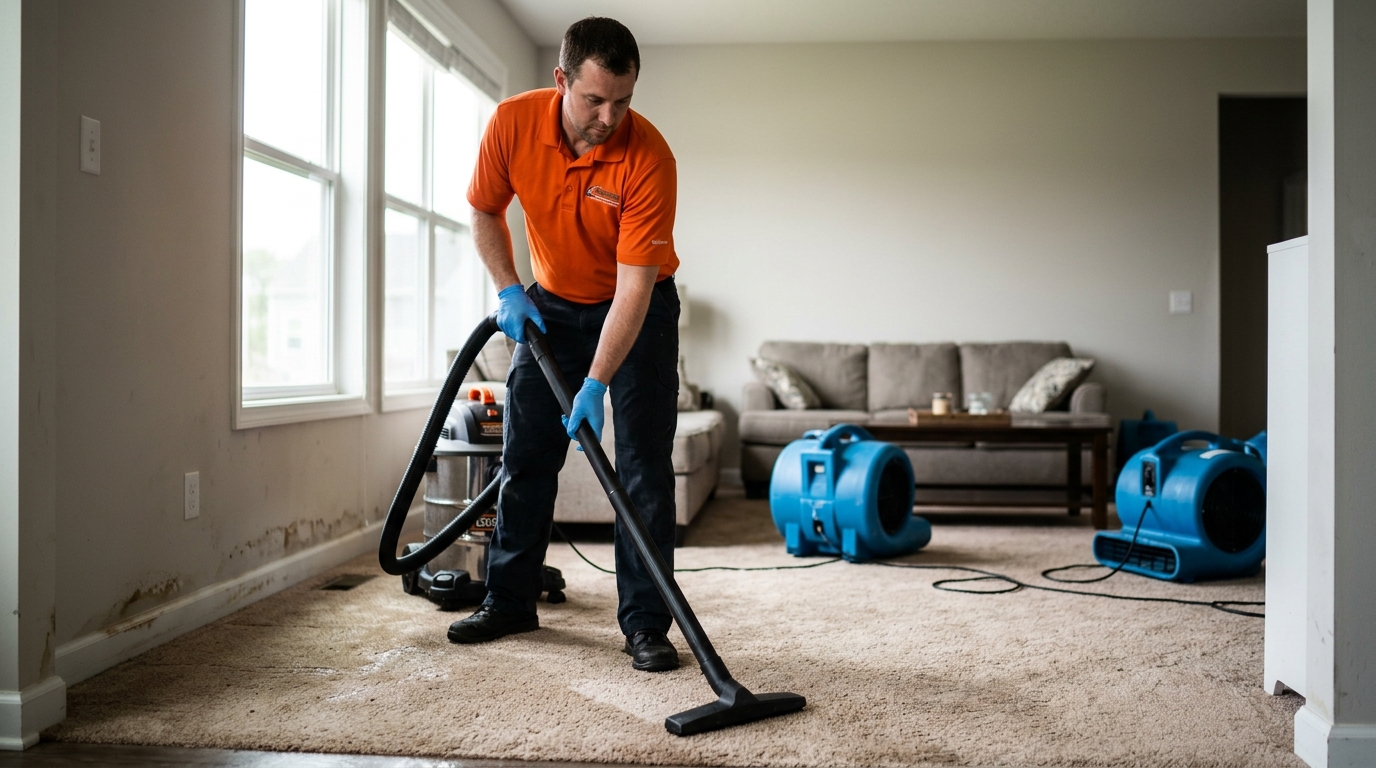
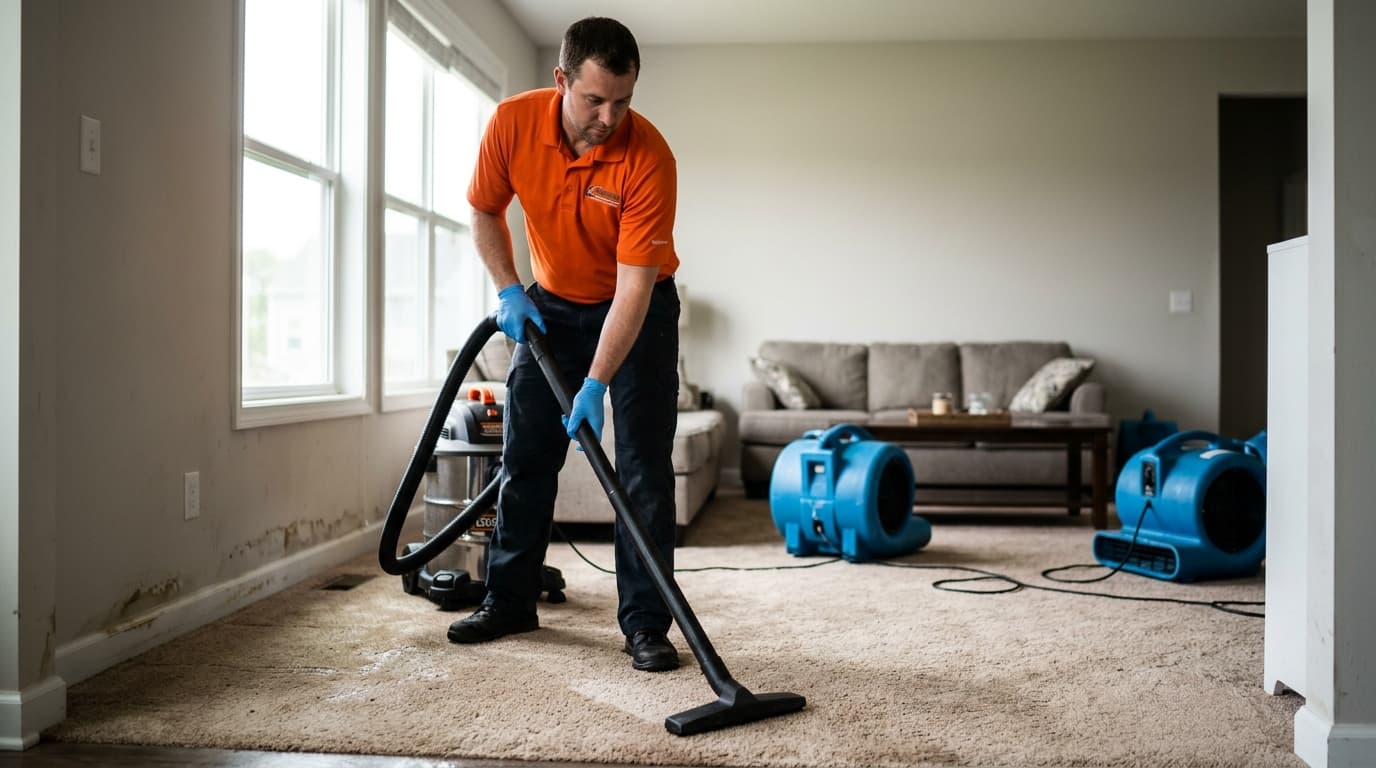
This creates a practical challenge: by the time you discover hidden water damage, it is often impossible to tell exactly when it started. This is one reason professional documentation at the time of discovery matters. An IICRC-certified restoration company can provide reports that establish the scope and condition of the damage as found — which is useful when an insurer asks questions.
What standard policies generally cover
- Burst or frozen pipes (sudden failure) - Appliance overflow (washing machine, dishwasher, water heater) - Roof leaks caused by a covered peril (wind, hail, falling tree) - Accidental discharge from plumbing fixtures - Ice dams (in some policies)
What standard policies generally do not cover
- Flooding from outside the home (this requires a separate flood policy) - Sewer or drain backup (usually requires a rider) - Gradual leaks or seepage - Water intrusion through foundation walls or window seals - Damage from lack of maintenance or neglect
Flood insurance is separate
Standard homeowners policies do not cover flooding — meaning water that enters from outside the home due to rain, storm surge, or overflowing waterways. Flood insurance is issued separately, typically through the National Flood Insurance Program (NFIP) or private carriers. In the DC metro area, properties in low- to moderate-risk zones can purchase preferred risk flood policies at lower premiums.
If your home is in a FEMA-designated Special Flood Hazard Area, your lender may require flood insurance. But even outside those zones, it is worth considering: about 25% of flood claims come from properties outside high-risk areas.
Sewer backup riders
Standard policies typically exclude sewer and drain backup. If you have ever had water come up through a floor drain, toilet, or basement drain during heavy rain, this is worth adding. The rider is usually inexpensive relative to the damage a sewer backup can cause.
Working with a public adjuster
When a water damage claim is large or complex, a public adjuster — a licensed professional who advocates on behalf of the policyholder — can be valuable. They review the policy, document the loss thoroughly, and negotiate with the insurer. Their fee is typically a percentage of the settlement.
Salem Steamer works with public adjusters on a regular basis and can coordinate documentation and restoration work to align with the claims process.
What to do when you discover water damage
1. Stop the source of water if possible 2. Document with photos and video immediately 3. Call your insurer and open a claim 4. Contact a restoration company — most will work directly with your adjuster 5. Do not discard damaged materials until an adjuster has seen them
The worst outcome is paying out of pocket for a loss that was covered because the claim was not filed correctly or documentation was insufficient. When in doubt, file the claim and let the adjuster make the determination.